Sponsored link
AnimalHospitalDesk
Camera layer

Animal Hospital CCTV Anomalies

Every documented CCTV anomaly sign in Animal Hospital — black eyes, contortionist bodies, camera staring, void forms, mismatched species — plus the camera pass routine and the Mimic reveal it catches.

Checked October 3, 2026Fan wiki documentation
Quick answer

The short version

The CCTV feed is the evidence layer that catches what the window hides. The community wiki's camera list covers black eyes, unnaturally bent bodies, patients staring into the camera, void-black bodies, twitching feeds, a Security Camera Mimic standing in the camera room, and mismatched ears or faces that belong to a different species than the patient you checked in person. Any one of these is a reject: close the shutters.

Why cameras matter

The layer that disagrees with the window

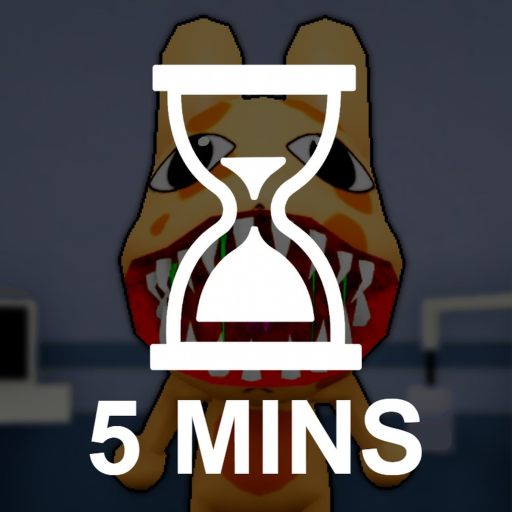
Animal Hospital times its evidence so the camera pass happens while the photo develops — the desk keeps both busy at once. That timing is the design: the CCTV feed is the check that catches patients whose window appearance and paperwork look clean.

The wiki's sign list is camera-specific for a reason. Several forms never appear at the window: the Mimic family reveals itself on camera with a wide, sharp-toothed form or a void-black body, and the Security Camera Mimic appears as a figure standing in the camera room itself. A player who skips the CCTV pass never sees any of them.

Treat the feed as a fresh look at the same patient, not a summary of what you already saw. Remember the live eyes, ears, horns, color, and body shape before opening the cameras; the whole comparison depends on remembering what 'normal' looked like.

Documented signs

The CCTV sign table

Each row is camera-only evidence from the community wiki's anomaly list. One clear row is a reject.
SignWhat it looks likeCall
Black eyes on cameraEyes read black on the feed even though the window view looked normal.REJECT
Contortionist bodyThe body bends into shapes the species model cannot hold.REJECT
Staring at camerasThe patient looks straight into the camera in every view it appears in.REJECT
Void-black bodyA fully black silhouette; players pair it with a never-rendering photo and treat it as Mimic evidence.REJECT
Camera twitchingThe feed itself jitters while the patient is on screen.REJECT
Security Camera MimicA mimic figure visible standing in the camera room itself.REJECT
Mismatched earsThe camera shows a different species than the window; the wiki calls out cat-window patients with dog ears.REJECT
Mismatched faceA different face model appears on the feed compared with the live patient.REJECT

Source: Animal Hospital community wiki (Fandom) · Checked 2026-10-03

Reading the feed

Species mismatch is the loudest tell

The wiki calls out one CCTV sign above the rest for beginners: mismatched ears. A patient you checked in as a cat can show up on the camera with dog ears, or another species entirely. Species do not change between the window and the waiting room, so a mismatch is not a matter of lighting or angle.

Body-form signs come second: the contortionist body bends in ways the species model cannot hold, and the void-black body reads as a silhouette with no features at all. Players who logged the void form describe it arriving together with a photo that never finished rendering — a combination worth rechecking twice before any admit.

Behavior signs close the list. A patient that stares into the camera in every view, or a feed that twitches only while one patient is on screen, is documented as anomalous. The Security Camera Mimic is the strangest row: a figure standing inside the camera room itself, visible only because it forgot the cameras watch everything.

Camera routine

Run the pass the same way every shift

  1. 1

    At the window, fix the patient's species, colors, ears, horns, eyes, and body shape in memory before starting anything.

  2. 2

    Start the photo, then open CCTV while it develops — the game schedules both at once for exactly this reason.

  3. 3

    Sweep the waiting area, find the patient, and compare species parts first: ears, face, eyes, then body shape.

  4. 4

    If a body looks stretched or changes shape between frames, reopen the cameras once and watch that patient specifically.

  5. 5

    Close the shutters on any single clear sign; if the feed is ambiguous, finish the photo before deciding and keep the desk's WAIT rule.

Related pages

Where the camera layer connects

Mimic (formerly Skinwalker)

The camera reveal is this entity's whole identity: normal at the window, wide toothed or void-black on CCTV, with a crawl animation added July 10. The focused page breaks the rename and the signs apart.

Camera Monster

A distraction entity that appears only on cameras — a black bunny-like figure walking the ward. The wiki's advice is to keep working; it does not leave the feed to attack.

Photo signs

CCTV and the photo are separate layers. A clean feed never erases a decisive photo mismatch, and a clean photo never erases a void body on the feed.

FAQ

Frequently asked questions

What should I look for on Animal Hospital CCTV?

The wiki's camera list: black eyes, contortionist bodies, patients staring into the camera, void-black bodies, twitching feeds, the Security Camera Mimic, and ears or faces that belong to a different species than the patient at the window.

The patient looked normal at the window but wrong on camera. Which wins?

A clear camera sign wins. The Mimic family is defined by passing the window check and revealing on CCTV, so the feed is exactly where the game hides its hardest rejects.

What is the Security Camera Mimic?

A wiki-documented CCTV sign: a mimic figure visible standing in the camera room itself. It is a camera-layer clue like any other row in the table — reject the patient it belongs to.

Can ears really be a different species on camera?

Yes. The wiki calls out mismatched ears — a cat-window patient showing dog ears is its example — as a camera-only anomaly sign, and mismatched faces work the same way.

Does a clean CCTV pass clear the patient?

It clears the camera layer only. The finished photo, the live window, and the paperwork still need to agree before an admit is safe.

Why does the camera matter if the photo already checks the patient?

The two layers show different truths by design: the photo captures the patient at the desk, while CCTV watches them unobserved in the waiting room. Several documented forms appear in exactly one of the two.

Next action

Related pages